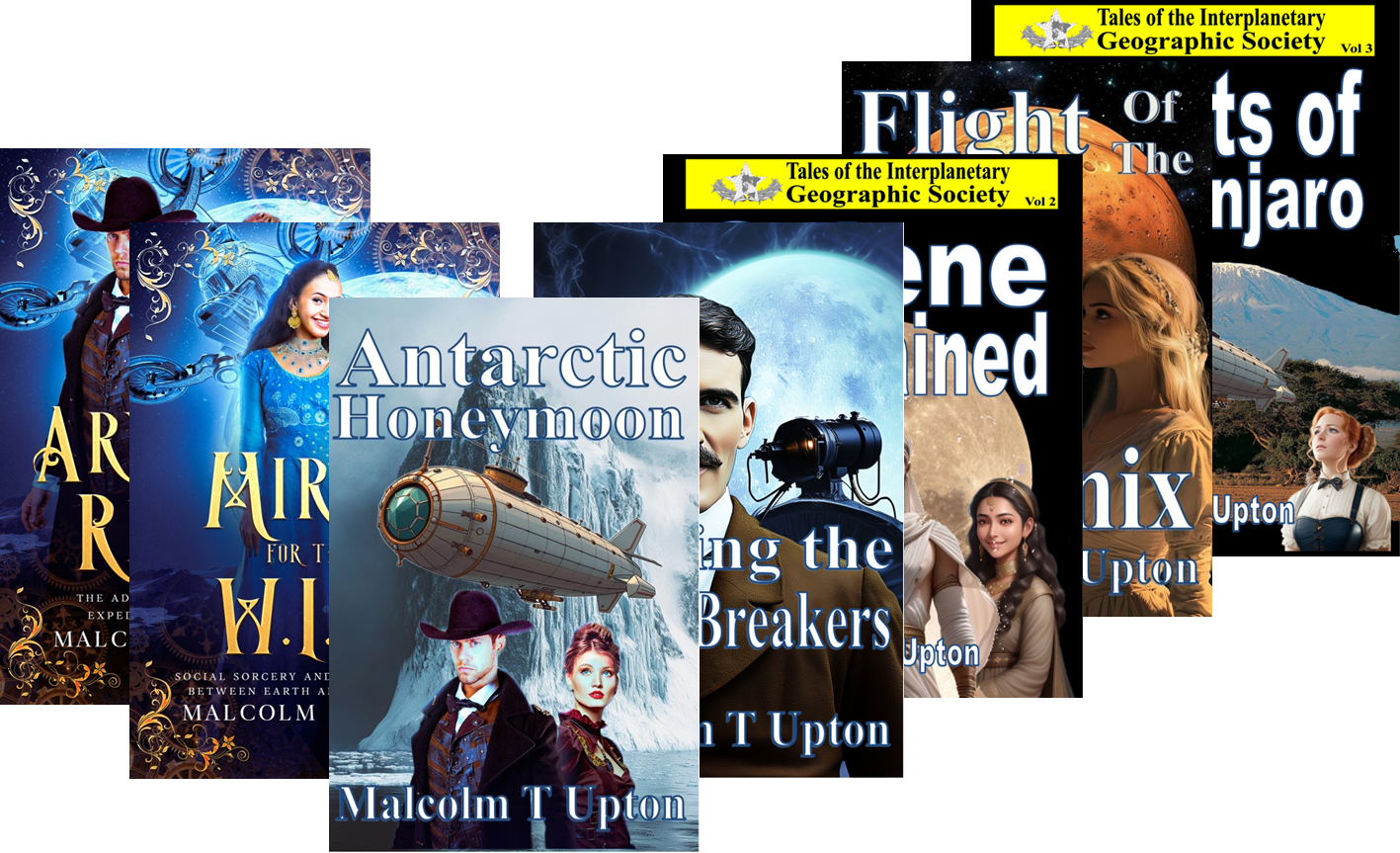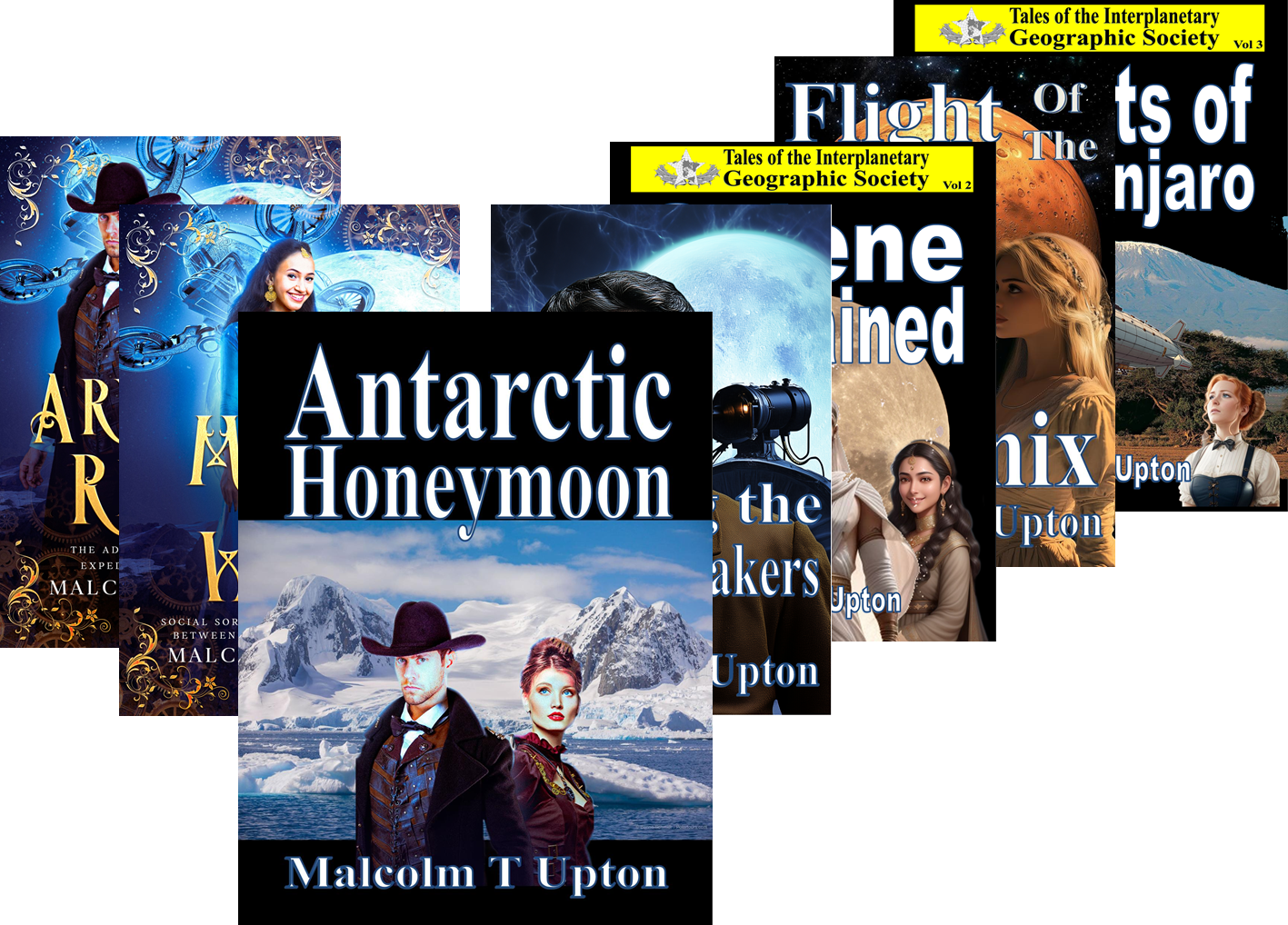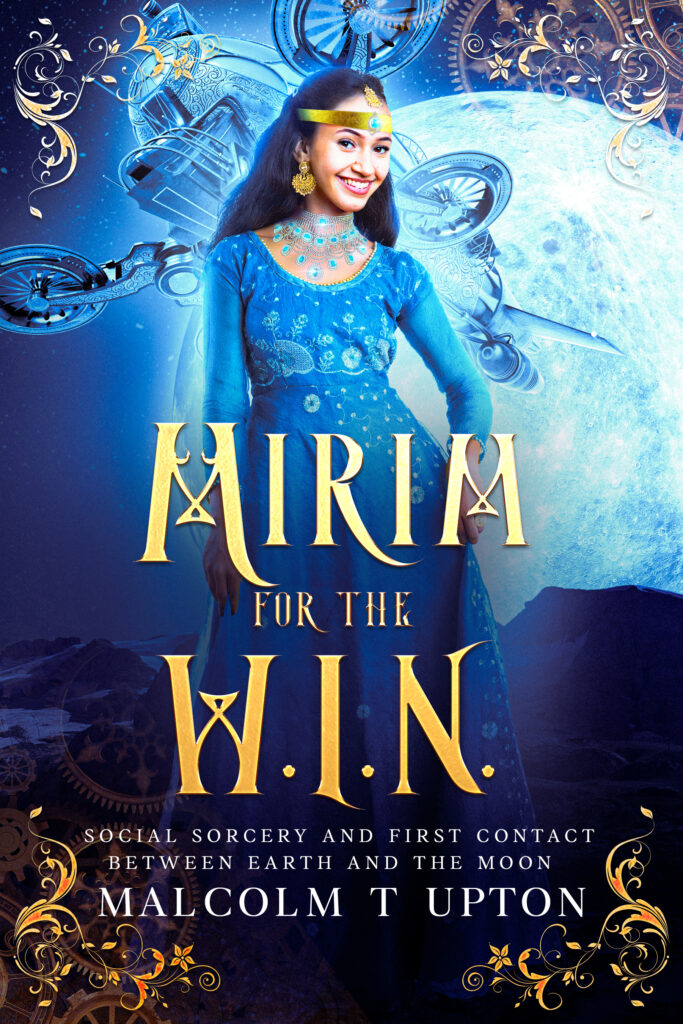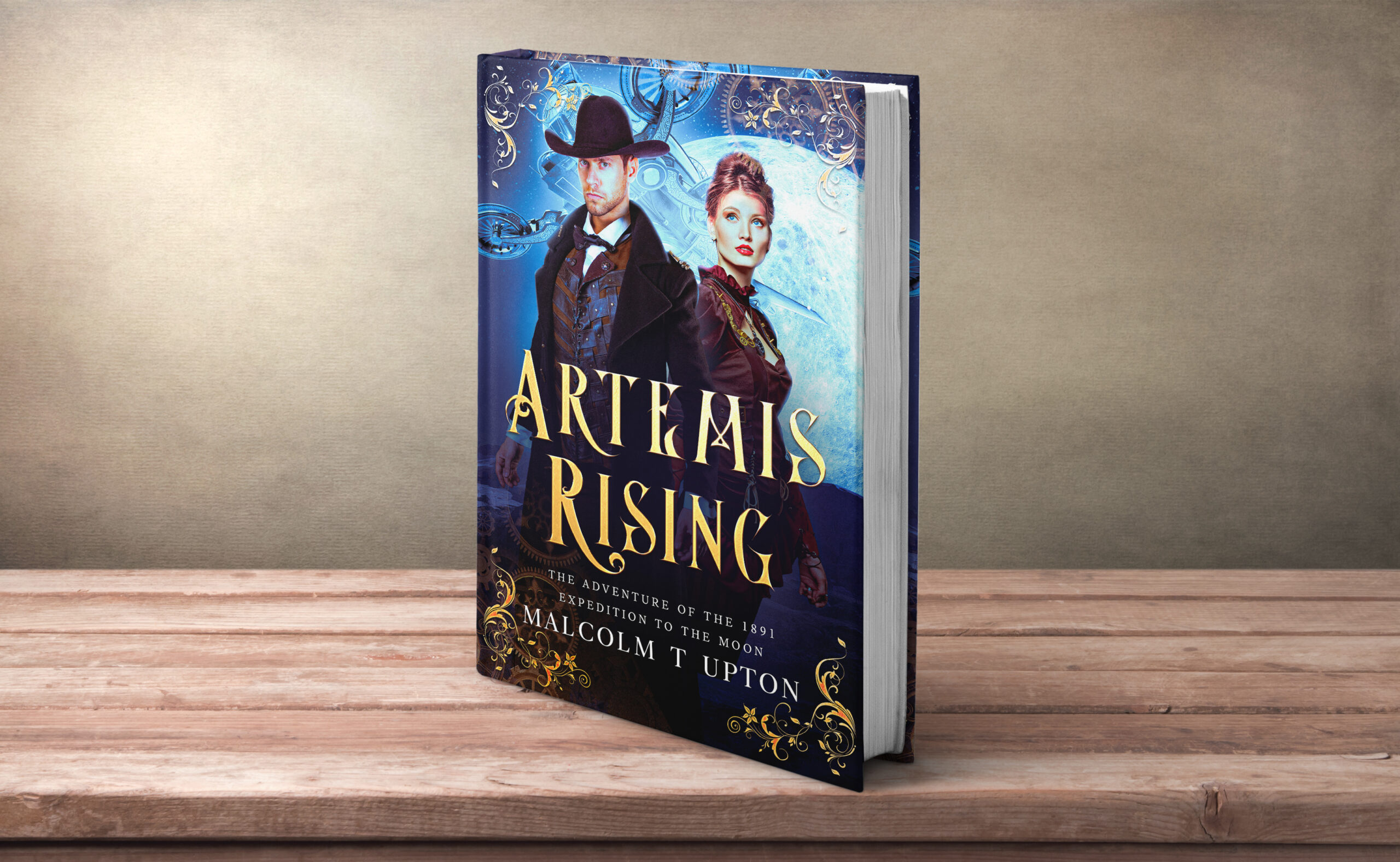
Artemis Rising is #860 in Steampunk Fiction, #2,344 in Alternate History Science Fiction (Books), and #799 in Steampunk Science Fiction (Kindle Store). There are 2 customer reviews – if you’ve finished the book and haven’t left a review, please do so.
In the late Victorian and Gilded ages, the rich and powerful were more likely to have a custom rail carriage built for them. Kind of like having a yacht or private jet today.
Ran into some major issues with the first chapter of Mirim for the WIN. Essentially I needed to do a complete rewrite. Since I’ve never written the first chapter of a sequel novel, I guess it isn’t surprising that I’m not good at it yet. I ended up adding more than 3000 words making the first chapter over 5,000 – way longer than most of my chapters. I asked Sandra to suggest chapter breaks, but may leave it alone if she doesn’t have suggestions. It made me feel good that I impressed her by getting the rewrite back to her in less than 48 hours.
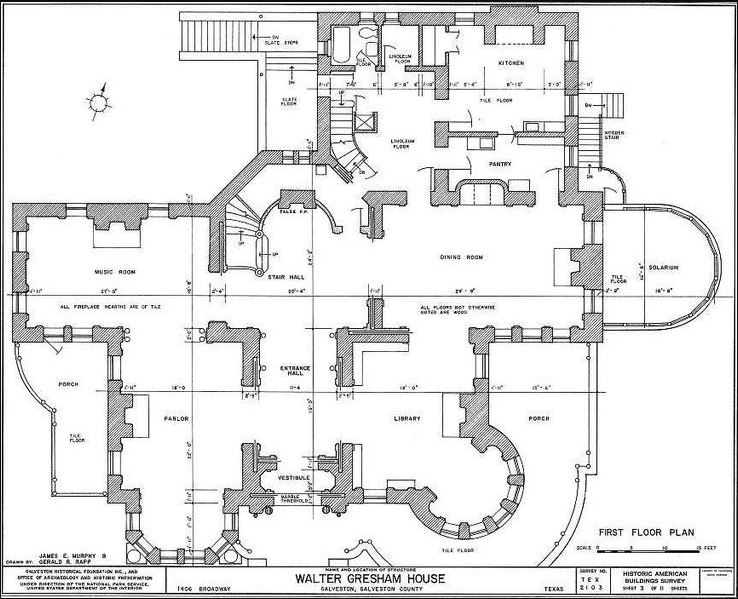
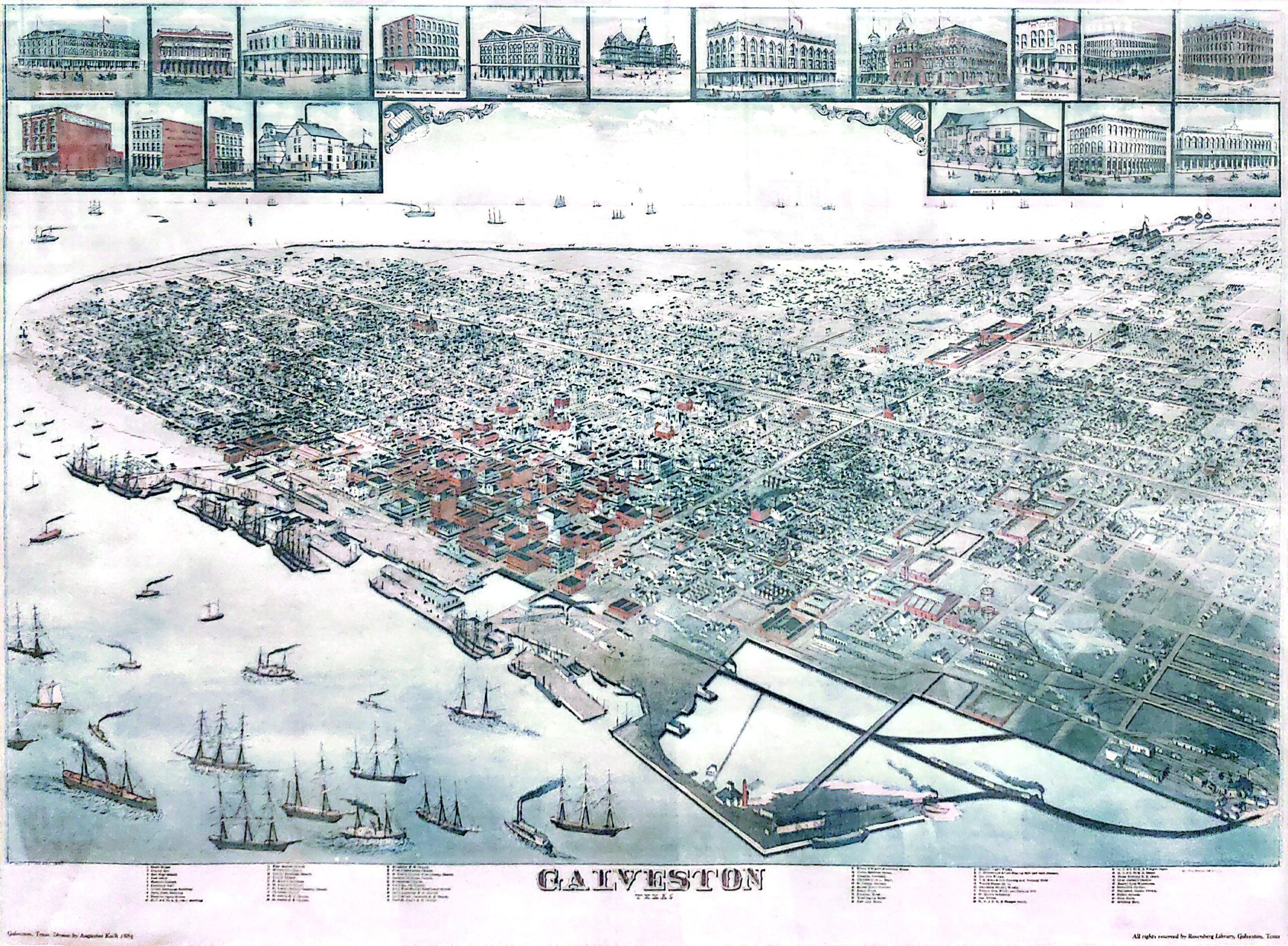
Saturday visit to Galveston helped me locate a hugely valuable source of information in the Galveston and Texas History Center of the Rosenberg Library. Huge shoutout to Kaitlin and Christina for their help gathering information about Walter and Josephine Gresham, Gresham Castle, John Henry Hutchings and his house.
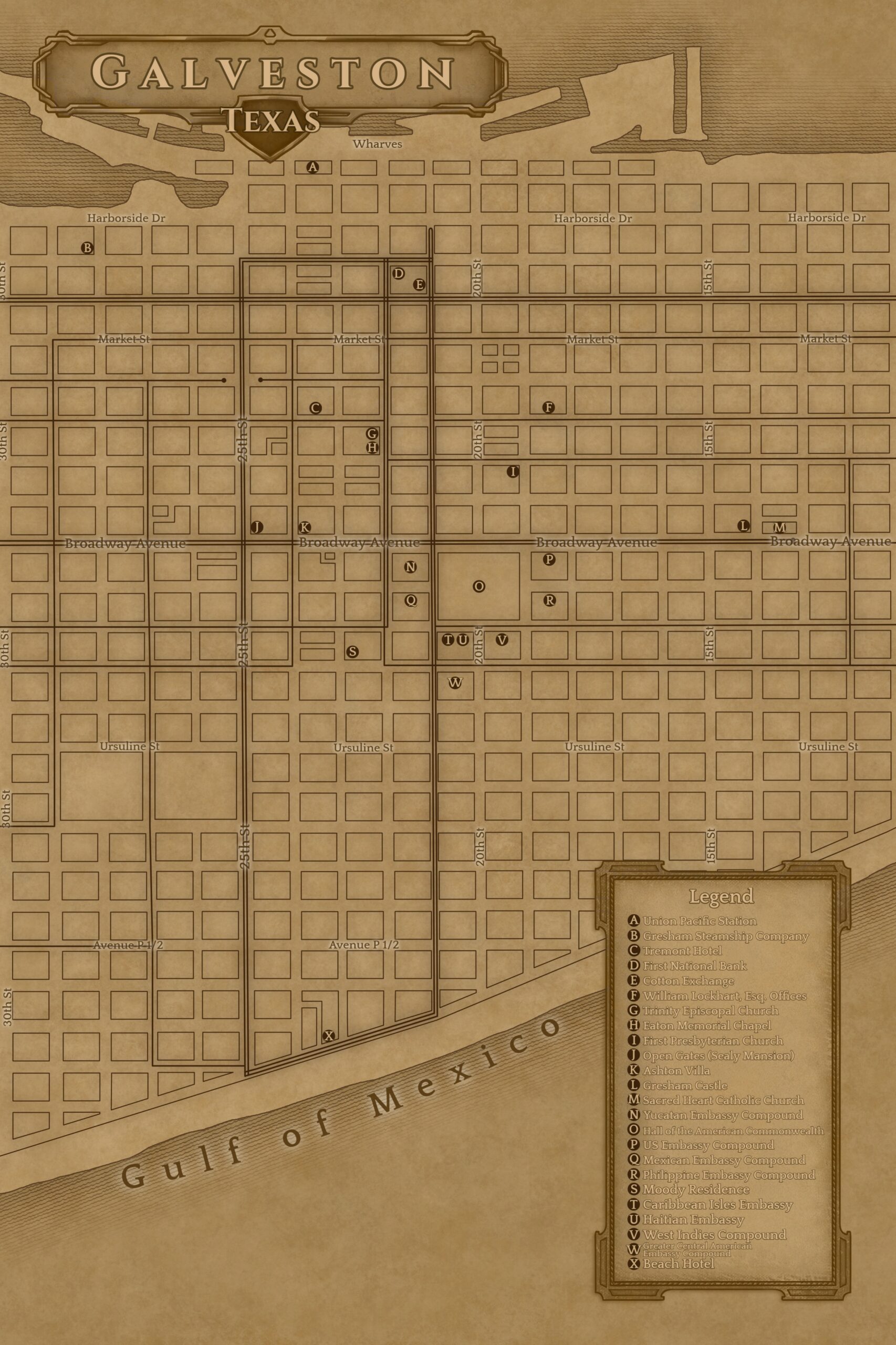
There was also a birds-eye view map of Galveston on the wall that included the Beach Hotel (so between 1882 and 1898). The beach side of the island and the west side of the island was way too empty to justify going back and forth to Texas City. The way I see it, I have three choices:
1) I can revise everything I’ve written so far to put Gresham Aerospace on the island from the beginning. Pro: It takes care of all the issues from the beginning. Con: It makes it confusing for people who have already started reading Artemis Rising and it is a lot of work.
2) I can have the Gulf, Laredo, and Veracruz Railroad at least decline developing the Aero/Aether port in Texas City and force the move when Gresham Aerospace makes their expansion in Antarctic Honeymoon. Pro: Allows Artemis Rising, Mirim for the WIN, and almost all of what is written so far for Antarctic Honeymoon to stand as written. It also puts Galveston right next to the Aetherport which will be important later. Con: the facility is on the unraised island during the 1900 hurricane. It also adds some complication to the Antarctic Honeymoon story (which may be more of a mixed Pro/Con – richer story/more work).
3) Move the facilities from a ruined Texas City location to Galveston. Pro: This can include a raising of the level of the ground post hurricane and it makes some sense in trying to revitalize Galveston after the destruction of the Hurricane and such. Con: I’m pretty sure the Texas City area has a lot less destruction from the 1900 hurricane than Galveston did – moving from Texas City to Galveston would stretch credibility a lot.
Toured Bishop’s Castle and Moody Mansion. Bishop’s Castle is the name given to the Gresham’s house, Gresham Castle in the books, after the Bishop of Galveston took up residence there. Moody Mansion was the name given to the mansion built by Narcissa Willis when William Moody, Jr. bought it just after the 1900 hurricane. Narcissa had the mansion built in part because she had pestered her husband to build them an opulent house their entire married life, in part to try to draw her children back to Galveston, and in part to upstage her sister, Magnolia Willis Sealy, mistress of Open Gates just two blocks down Broadway. She upstaged her sister for a very few years, got her opulent house at the cost of not having the money to keep it up, and since that estranged her from her children, failed to get them to return to Galveston. In fact, William Moody got the mansion for about five cents on the dollar in a bid he put in before the hurricane.
Learned that Broadway is where it is because that was the “ridge” of highest ground (8 feet above sea level) down the center of Galveston Island when the city grid was laid out. At the time of the books, it consisted of a single lane road in either direction and a broad esplanade down the center. Most roads in Galveston at that time are paved in crushed shells.
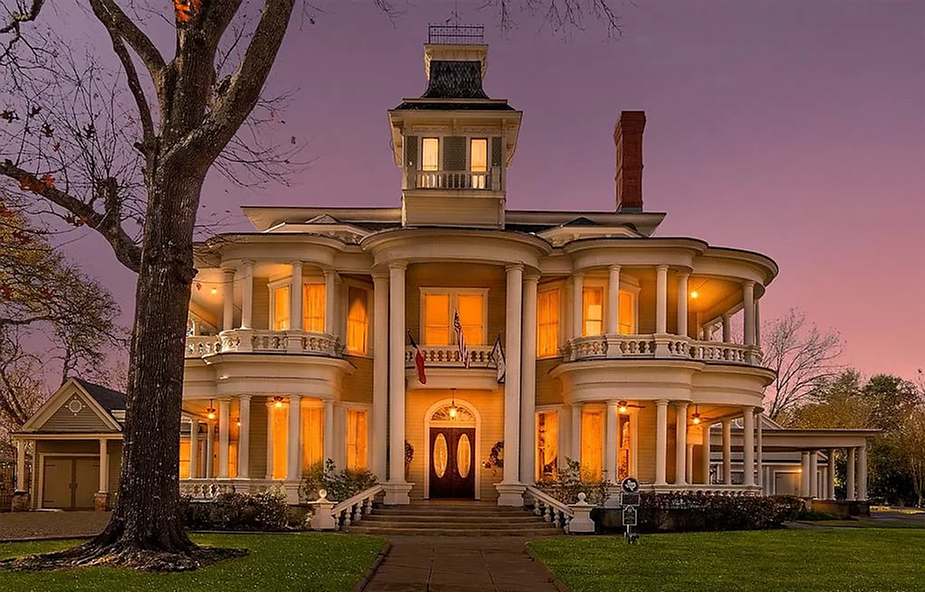
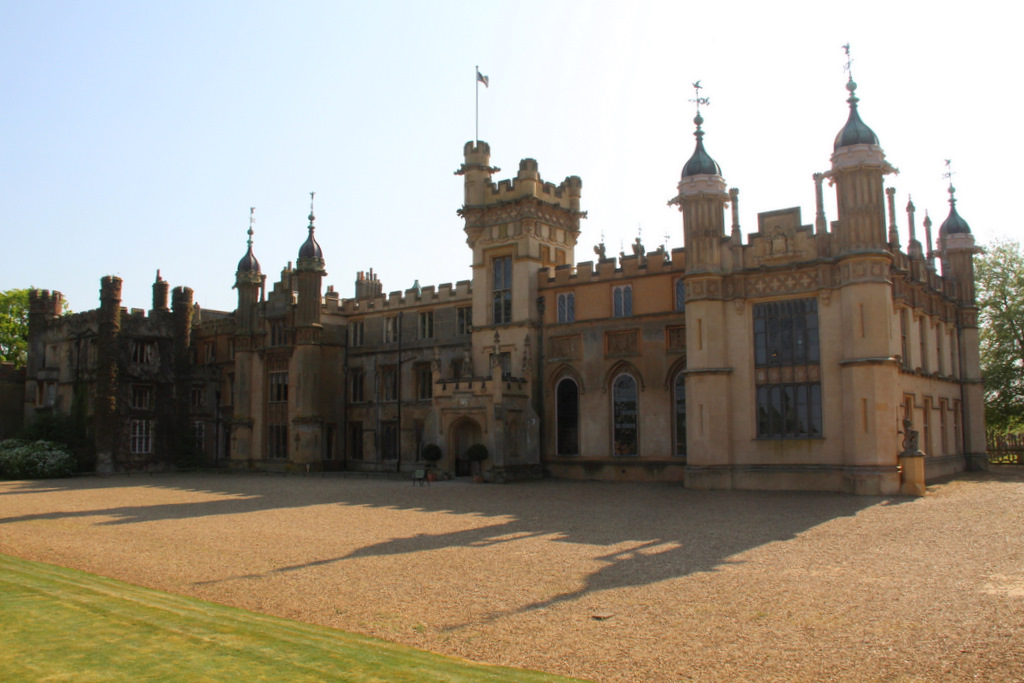
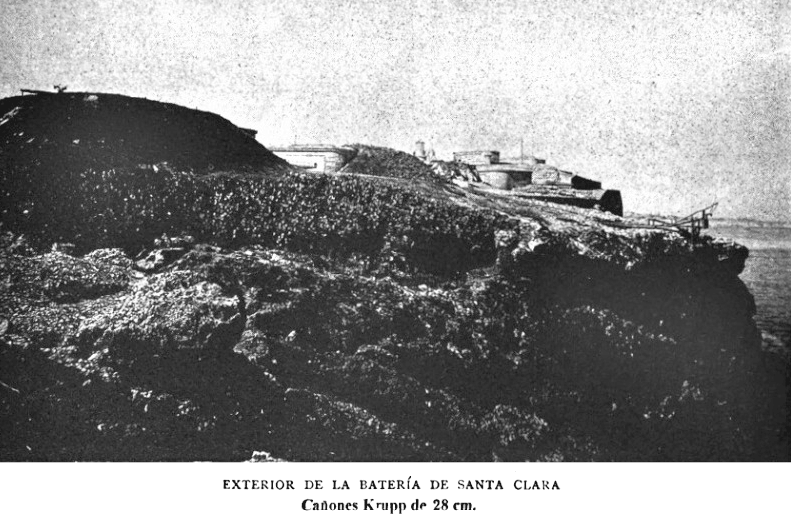
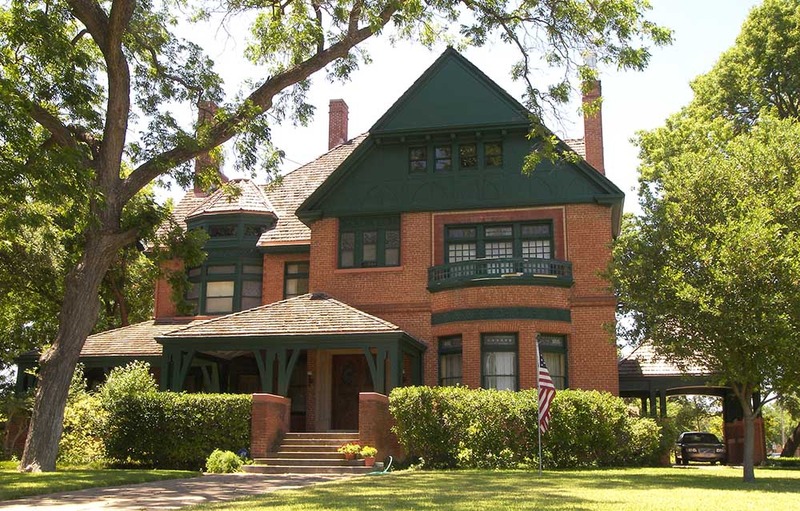
I did figure out how to make some decent AI generated pictures of the various Embassies. I’m not sure it will work for the Hall of the American Commonwealth, I’ll have to try that next.
This week was mostly consumed with research in Galveston. Learned a lot and need to integrate it into Mirim for the WIN, as well as later books. That will probably slow down progress on Antarctic Honeymoon for a while.
Chapters this week:
27: American Geographic Society – progress
Mirim Chapter 1 rewrite
Antarctic Honeymoon word count is 53,807, less than 800 words more than last week, not counting Dramatis Personae (2,268 words)
If you want to be a beta reader and comment on these chapters, write a nice review for Artemis Rising on Amazon or Goodreads, and email me that you’ve done it.